
University of Szeged
Albert Szent-Györgyi Medical School
Foreign Students' Secretariat
Your Education. Our Mission.


Open Access for Conversion and Difficult Approaches Course - highly anticipated educational event organised by the Division of Thoracic Surgery
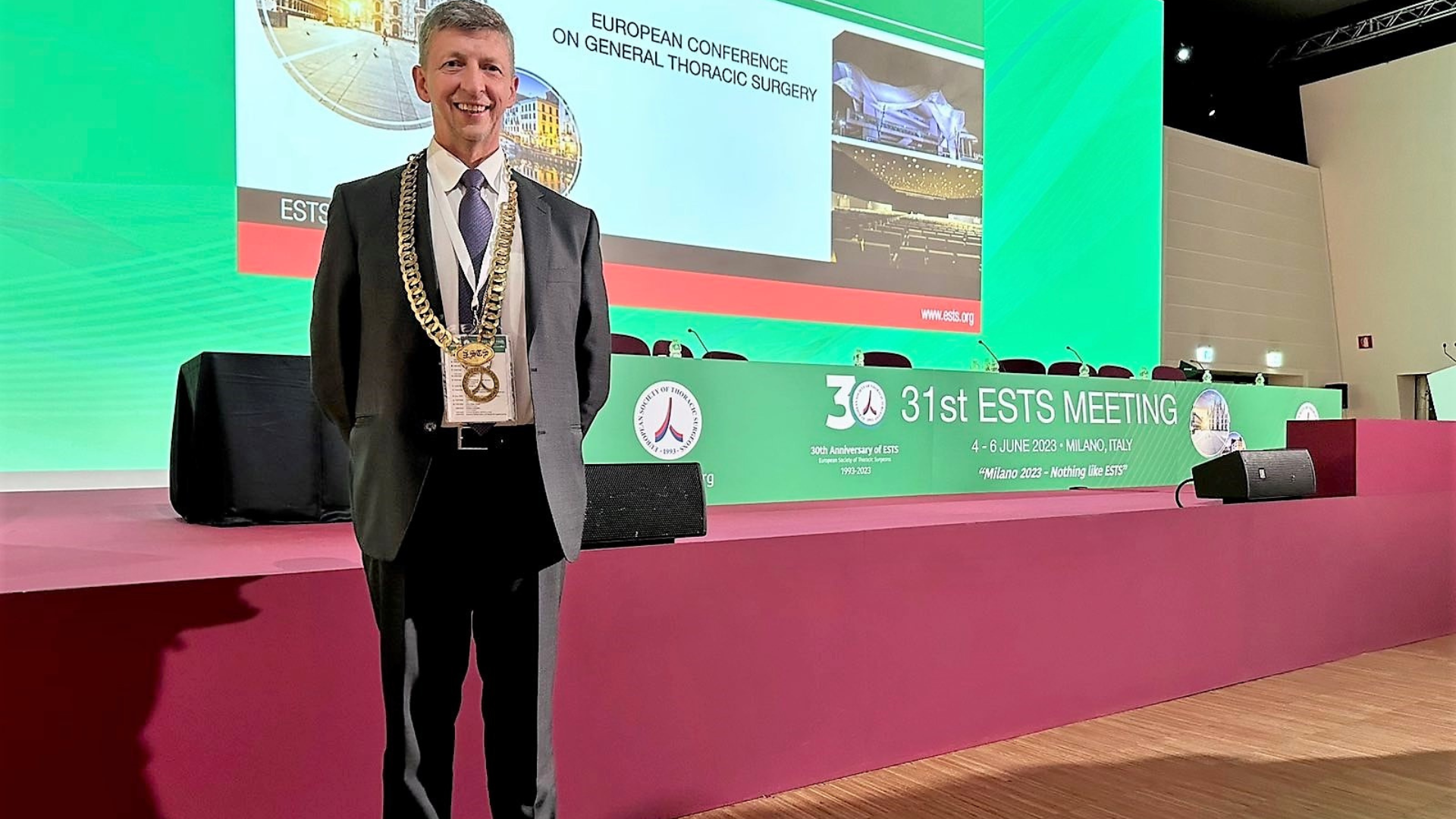
József Furák has been head of the Division of Thoracic Surgery at the Department of Surgery for exactly twenty years. While still in his forties, he received one of the most prestigious Hungarian state awards in health care, the Batthyány-Strattmann Prize.
His dedication is well illustrated by the fact that among Hungarian thoracic surgery centres only the Semmelweis University and the Korányi Institute perform more thoracic surgeries than Szeged. What's more, in Szeged, only three specialists perform the second-highest volume of surgeries in Hungary, mainly due to lung cancer. Last year, they performed 250 thyroid and 720 lung surgeries. Of these, 300 were lung resections due to tumours. Lung cancer remains one of the leading causes of death both in Hungary and around the world and Dr. Furák has been fighting to change this for twenty years.
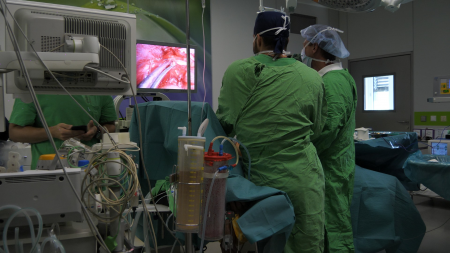
The division of thoracic surgery in Szeged was founded in 1959 by Frigyes Kulka and it had become an internationally renowned professional hub by 1961. In the late 1980s, Szeged was among the first places to introduce minimally invasive surgical techniques in Hungary. Instead of 15-20 cm incisions, they started to operate on benign lung lesions and pneumothorax through 5-6 cm incisions. From 2005, under the leadership of József Furák, the range of procedures was further expanded: Szeged was the first in the country to perform minimally invasive lung lobe and thymus gland removal. Surgeries performed with a camera inserted through small incisions and special instruments result in less pain, faster recovery and shorter hospital stays.
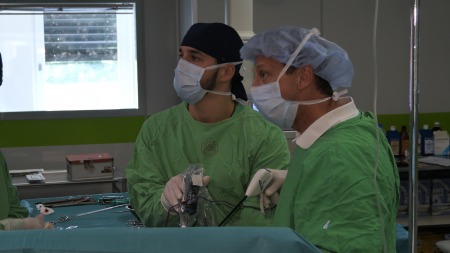
The new, cutting-edge surgical complex of the University has further strengthened the department's prestigious position, and the future points in the direction of robotic surgery. Regarding its current development, József Furák said that one of his thoracic surgeon colleagues, Diego Gonzalez-Rivas, has already operated on a patient in a Bucharest hospital using a robot from Shanghai.
Advances in diagnostics have revolutionized lung surgery: surgeons can now remove smaller and smaller anatomical units, known as segments. It is now rare, but it does happen that half of a patient's lung has to be removed. A human has 19 lung segments; eight of these must be retained in order for the patient to survive, but this greatly reduces their respiratory capacity.
There is another promising innovation that is not yet widely known: a mobile lung screening application developed by Zalán Szántó, head of the thoracic surgery department at the University of Pécs. The application estimates the risk of lung cancer based on the answers to a series of questions. The app is now available in English as well, and it is already in use in the Czech Republic and Brazil, with serious interest even in China.
Latest news

It is with shock and sincere sorrow that we bid farewell to Professor Emeritus József Molnár, who passed away quietly at the age of 89.
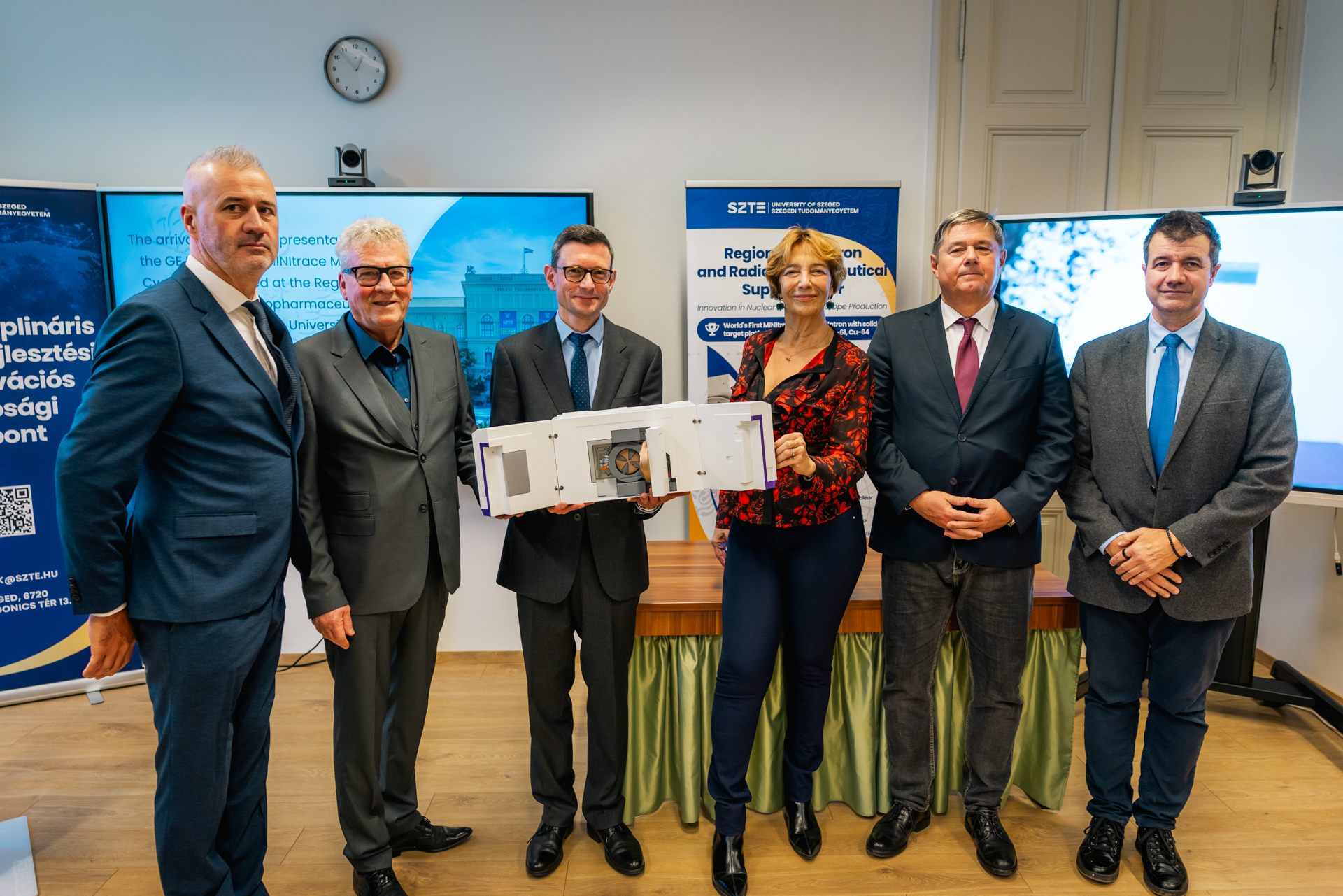
Following a cornerstone-laying ceremony for SZTE’S Regional Cyclotron and Radiopharmaceutical Supply Center in April, another major milestone has been reached in one of the University of Szeged’s flagship strategic investments. On December 9, GE HealthCare announced that – for the first time worldwide – the MINItrace Magni cyclotron will be installed at the University of Szeged, marking a major advance for nuclear medicine and theranostic treatment in Hungary. At a special event held at the University’s main building, the significance and future impact of the pioneering device were outlined by Prof. Dr. László Rovó, Rector of the University of Szeged; Dr. Judit Fendler, Chancellor; Prof. Dr. László Pávics, Professor at the Institute of Nuclear Medicine and project leader; Dr. György Erőss, Regional Customer Relations Manager for Central and Eastern Europe at GE HealthCare Hungary Kft.; and Jan Wolber, Global Product Leader for GE HealthCare Digital.
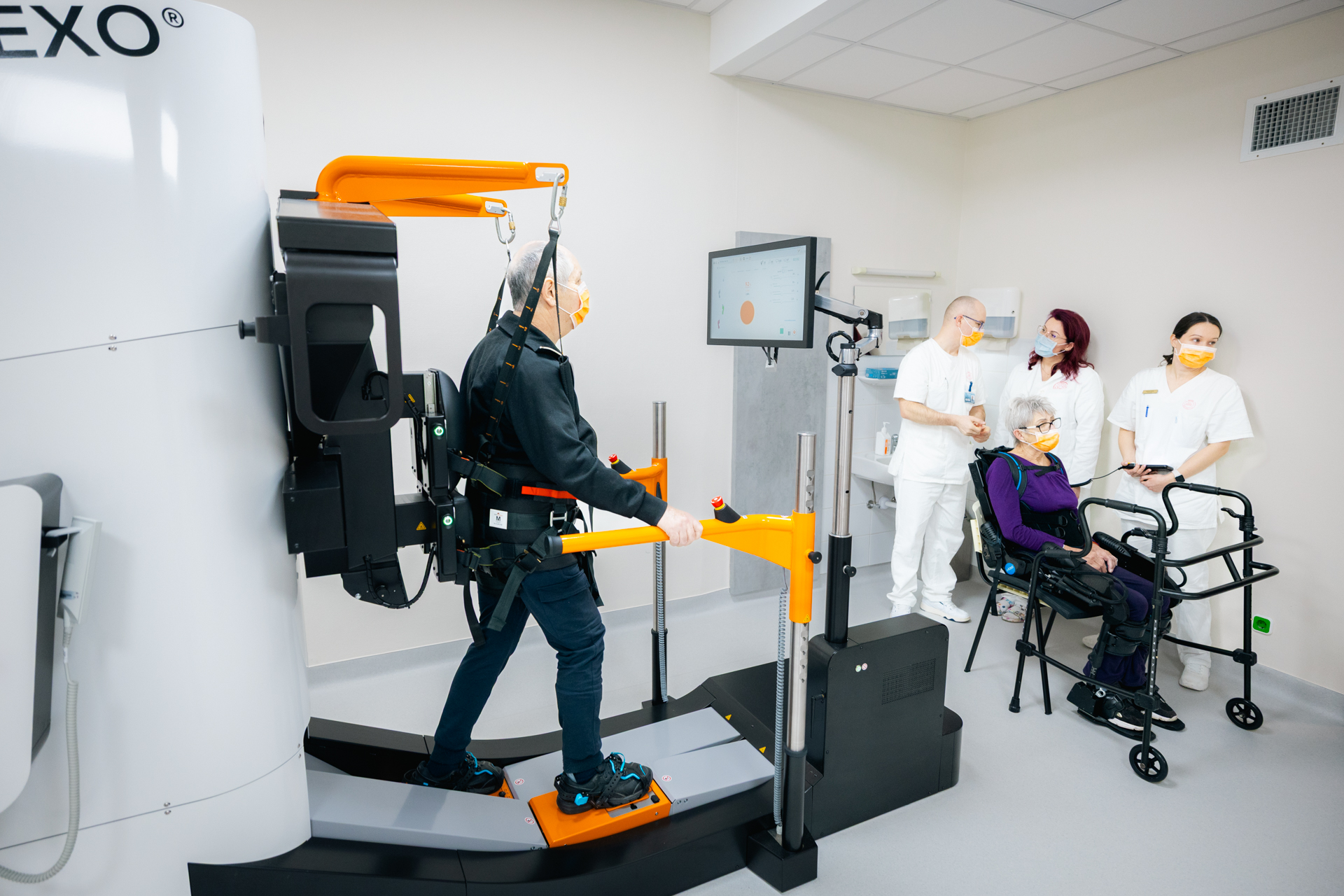
The University of Szeged has inaugurated its Human Kinesiology Laboratory, where cutting-edge robotic technologies are being deployed to enhance the effectiveness of rehabilitation therapies and actively support patients throughout their recovery process.
Useful links
Faculty of MedicineFaculty of Dentistry
Faculty of Pharmacy
Faculty of Health Sciences and Social Studies
International Student Union of Szeged
SUMAA
University Library
Ministry of Foreign Affairs
Office of Immigration and Nationality
College International
International Mobility Centre (ERASMUS)


