
University of Szeged
Albert Szent-Györgyi Medical School
Foreign Students' Secretariat
Your Education. Our Mission.


First radioisotope prostate-specific tumour therapy in Hungary performed in Szeged
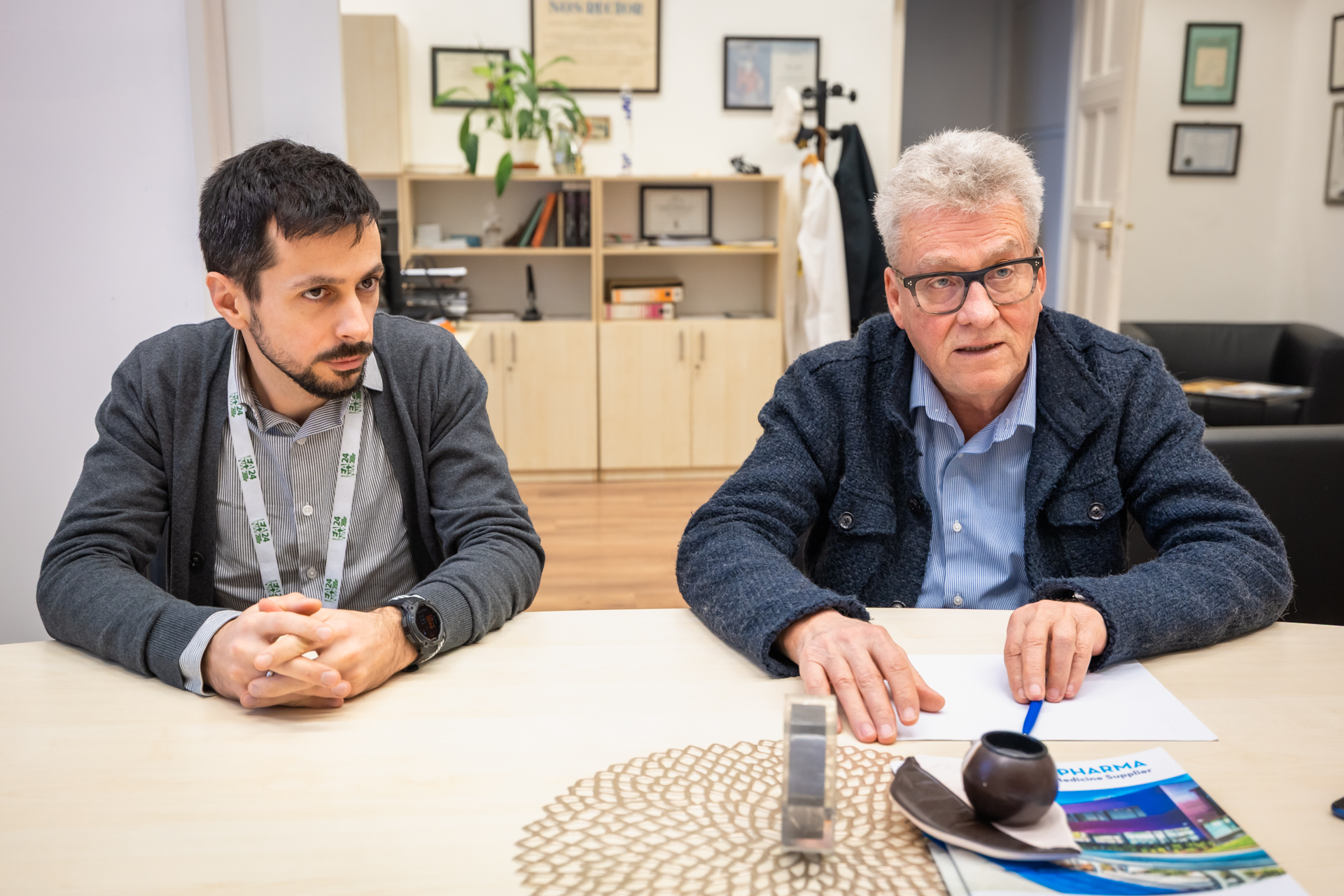
The Department of Nuclear Medicine at the University of Szeged, led by Prof. Dr. László Pávics, has performed the first radioligand treatment in Hungary, opening a new way in the treatment of prostate cancer patients.
Radioisotope treatment prolongs the survival of patients with advanced prostate cancer. This innovative treatment approach is administered through an intravenous infusion and combines the power of radioisotopes with a target-seeking ligand to deliver radiation to cancer cells expressing a specific target, even when they have spread throughout the body. With radioligand therapies, the goal is to deliver the treatment to the target cells to damage or destroy those cells while limiting impact to surrounding cells.
’Until now, the treatment of prostate cancer has mainly been based on hormone therapy, various chemotherapeutic agents and radiation, which are now complemented by radioisotope treatment’ Prof. László Pávics told us. – ’Both in the field of diagnostics and in therapy, the fact that it is now possible to visualise the biochemical abnormalities characteristic of prostate cancer with appropriate isotopic labelling has opened up new possibilities.’ By using a radioisotope bound to a suitable molecule that has a therapeutic (cell-destroying) effect, we can treat metastases of prostate cancer (bone, lymph node, soft tissue and other organs) in a very specific way.

’177-lutetium PSMA (prostate-specific membrane antigen) therapy does not burden patients and there are hardly any side effects,’ Dr. László Pávics emphasized. Injected in up to 6 treatment cycles at staggered intervals, the therapy allows radiation to be targeted to prostate cancer cells – with minimal effects on healthy cells – by binding to PSMA, the protein found on the surface of the cells. Referring to the latest studies, the professor said that the treatment outcomes of about 8,000 people with prostate cancer have been studied and it is clear that more than 50 percent of patients responded well to the first treatment and 80 percent of them achieved significant improvement after receiving multiple treatment rounds.
In 2017, the Department’s working group started working on a diagnostic method based on prostate-specific membrane antigen, which is a protein highly expressed in prostate cancer cells. PSMA can be used as a biomarket for positron emitter labeling in PET scans. With the introduction of this pioneering method, the most modern detection of prostate cancer and its metastases was established in Hungary. Since then prostate-specific membrane antigen PET/CT has become a routine diagnostic method for prostate cancer and patients from all over the country are currently coming to our university for the tests.

Latest news

It is with shock and sincere sorrow that we bid farewell to Professor Emeritus József Molnár, who passed away quietly at the age of 89.
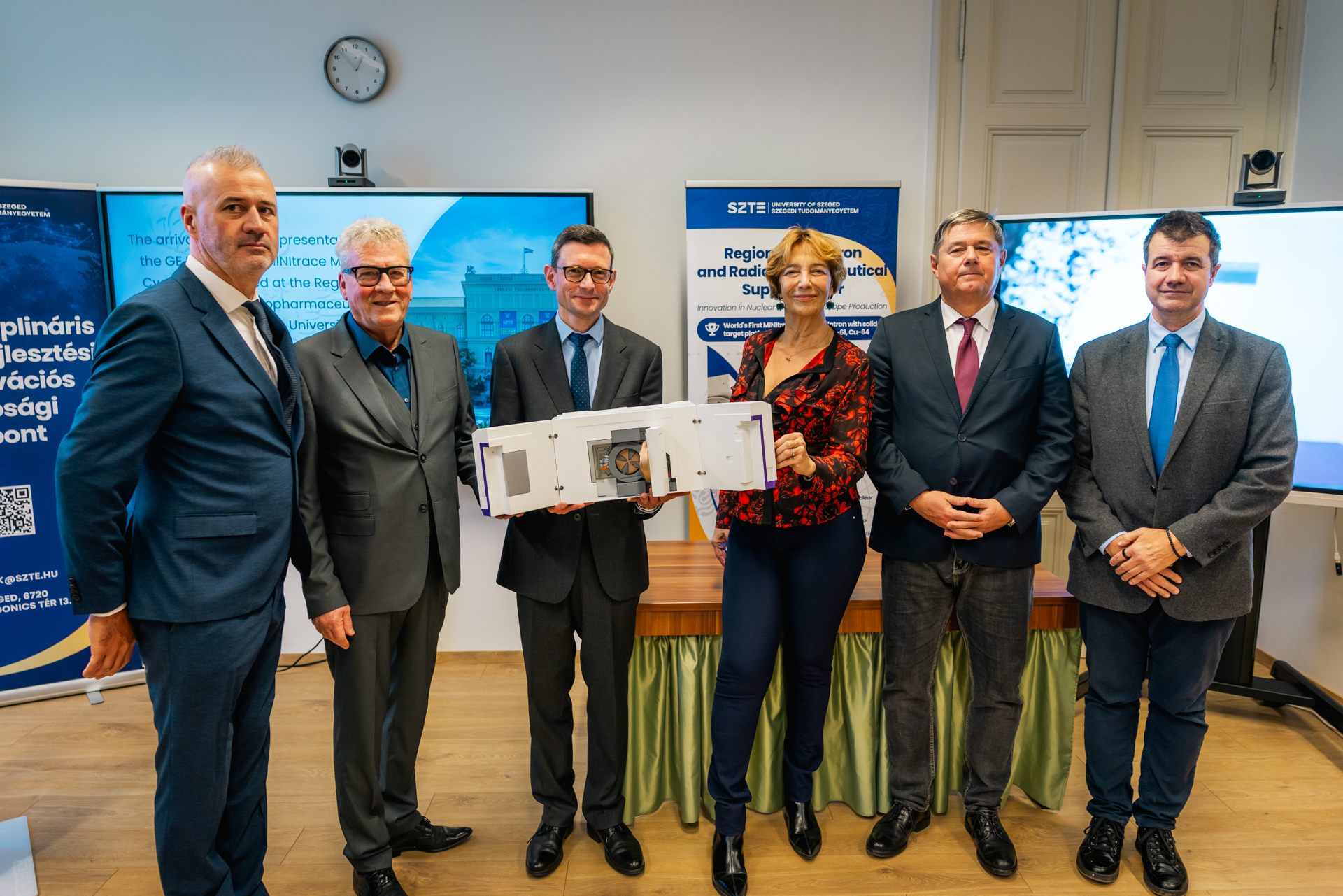
Following a cornerstone-laying ceremony for SZTE’S Regional Cyclotron and Radiopharmaceutical Supply Center in April, another major milestone has been reached in one of the University of Szeged’s flagship strategic investments. On December 9, GE HealthCare announced that – for the first time worldwide – the MINItrace Magni cyclotron will be installed at the University of Szeged, marking a major advance for nuclear medicine and theranostic treatment in Hungary. At a special event held at the University’s main building, the significance and future impact of the pioneering device were outlined by Prof. Dr. László Rovó, Rector of the University of Szeged; Dr. Judit Fendler, Chancellor; Prof. Dr. László Pávics, Professor at the Institute of Nuclear Medicine and project leader; Dr. György Erőss, Regional Customer Relations Manager for Central and Eastern Europe at GE HealthCare Hungary Kft.; and Jan Wolber, Global Product Leader for GE HealthCare Digital.
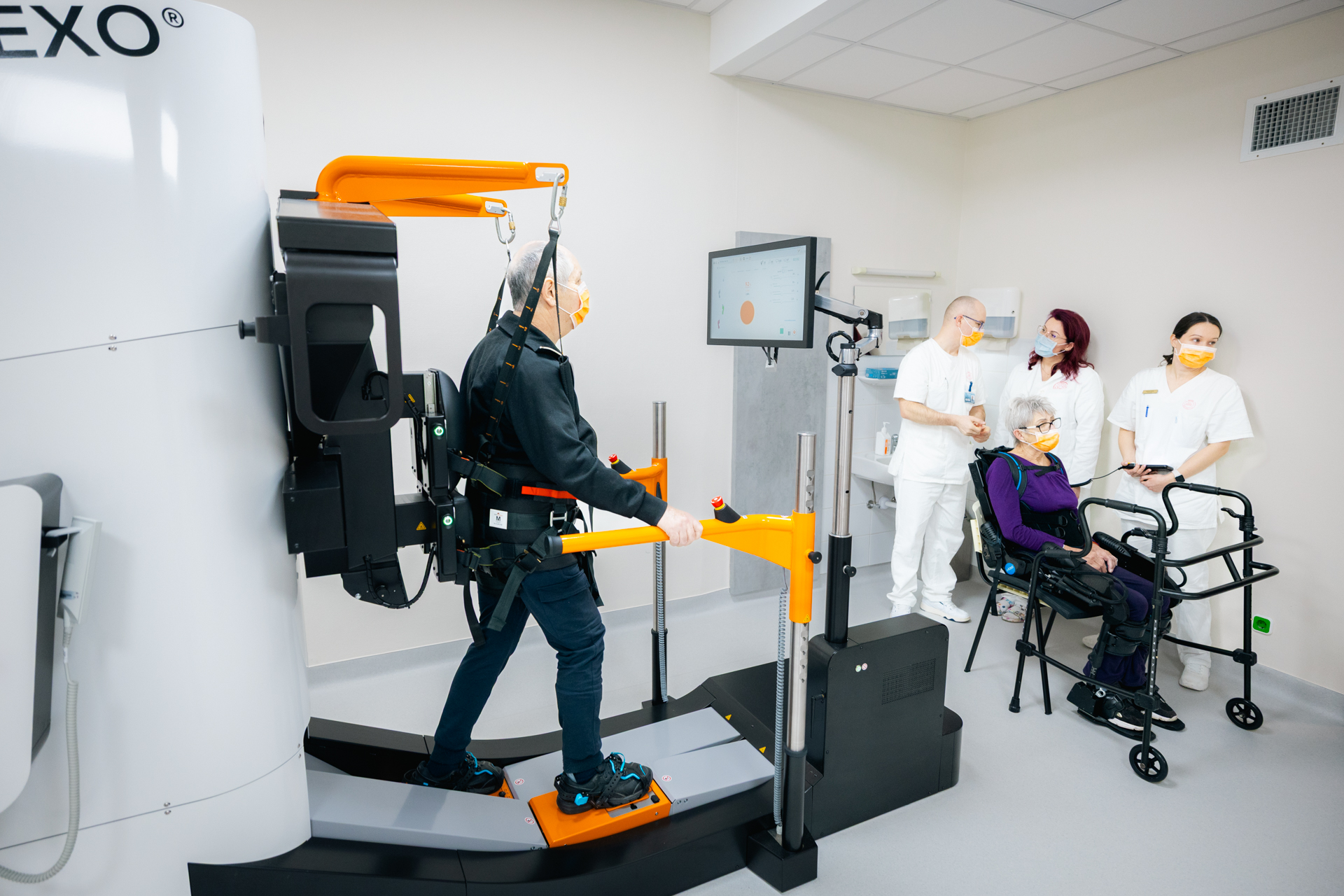
The University of Szeged has inaugurated its Human Kinesiology Laboratory, where cutting-edge robotic technologies are being deployed to enhance the effectiveness of rehabilitation therapies and actively support patients throughout their recovery process.
Useful links
Faculty of MedicineFaculty of Dentistry
Faculty of Pharmacy
Faculty of Health Sciences and Social Studies
International Student Union of Szeged
SUMAA
University Library
Ministry of Foreign Affairs
Office of Immigration and Nationality
College International
International Mobility Centre (ERASMUS)


