
University of Szeged
Albert Szent-Györgyi Medical School
Foreign Students' Secretariat
Your Education. Our Mission.


Tribute to Prof. Dr. László Dux
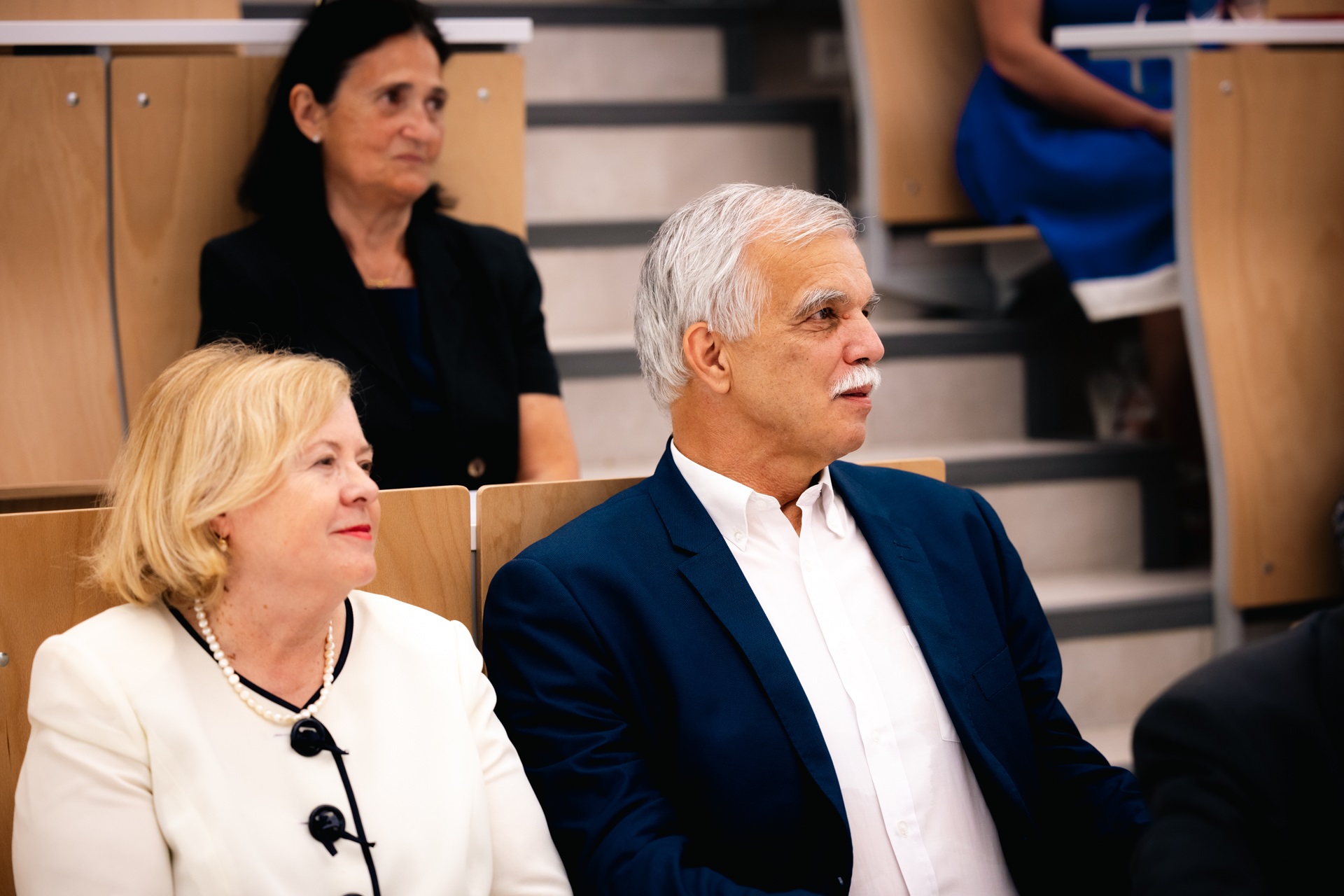
Colleagues, friends and students greeted the 70-year-old Professor Dr. László Dux with a public laudation. The professor, who was the head of the Department of Biochemistry at the University of Szeged for 27 years, is still actively involved in public affairs and sets an example of unbroken creative drive to his environment.

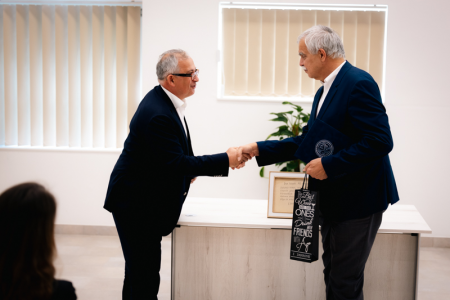
’On this memorable occasion we salute you for your lifetime achievements in the most beautiful educational facility of the University of Szeged, the Health Sciences Education Centre named after Ilona Banga, the colleague of Albert Szent-Györgyi, the first Nobel Prize-winning researcher of the University of Szeged’- said Prof. László Rovó, Rector of the university. In his welcome speech, he emphasized that biochemistry is the future of medicine and one of the best known and most successful fields of science at the University of Szeged, and Professor Dux is well known for continuing and advancing its strong and deep rooted traditions started by Albert Szent-Györgyi. He revealed that Professor Dux was his tutor and, based on the personal relationship they had developed back then, he could rely on his advice and support later on.
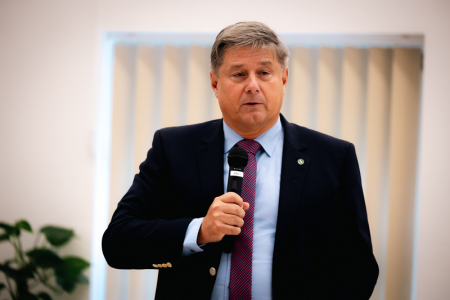
On behalf of the Albert Szent-Györgyi Medical School, the Dean, Prof. Dr. György Lázár, welcomed the Professor Emeritus Dr. László Dux. The two doctors have known each other for at least half a century. Prof. Dr. György Lázár said that his father had mentored László Dux when he was starting his scientific career as a doctor. Prof. Dr. György Lázár pointed out that Prof. Dux is an outstanding teacher and researcher in the medical education of Szeged, and holds the record for the number of medals awarded for teaching excellence.
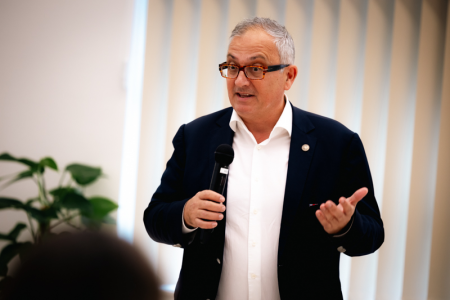
‘I have known László Dux for the longest time’ – said Professor Emeritus Dr. András Varró. He spoke about the years they spent together in secondary school between 1968 and 1972, the prizes they won in academic competitions, the warnings from the headmaster about their long hair, their parallel careers as university classmates and their study trips abroad.
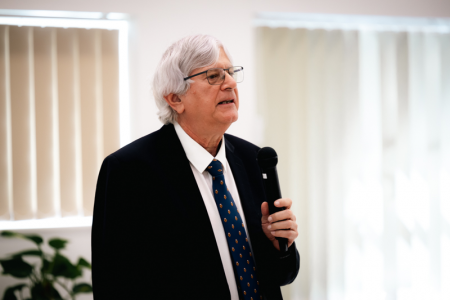
He highlighted the period between 1991-1997, when Dr. László Dux contributed to the achievements of the university as Vice-Rector for Education. He also supported the initiative to establish a foundation for talent development in 2012, which has by now grown into the National Academy of Scientist Education. The main goal of the program is to support talented young people interested in biomedical research and to foster their scientific work.
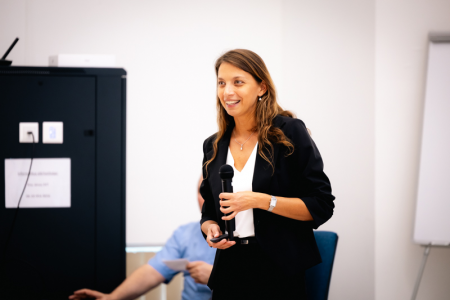
‘I first met Professor Dux in June 2007,’ said Dr. Anikó Keller-Pintér, Associate Professor at the University of Szeged, in her review of the past 17 years at the Department of Biochemistry. The first thing I noticed in Professor Dux's room was the portrait of Albert Schweitzer. I also noticed that the door to his room was always open, and I did not need to ‘make an appointment’ for a conversation. His love of sport, punctuality as well as his ‘live and let live’ management style were the hallmarks of his working method’, said the student-turned-successor, who helped to make several departmental projects and conferences a success. The success of their teamwork was illustrated by the group of young scientists present at the event, a group of 25 Scientific Study Circle (TDK) students from the Department of Biochemistry.
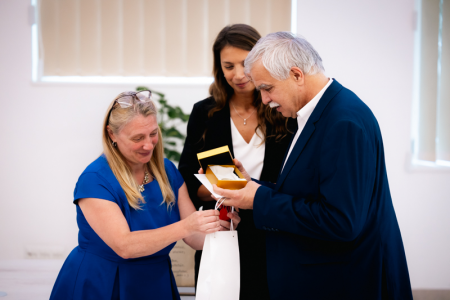
The series of welcome speeches was concluded by a celebratory dinner and pleasant discussions.
Latest news
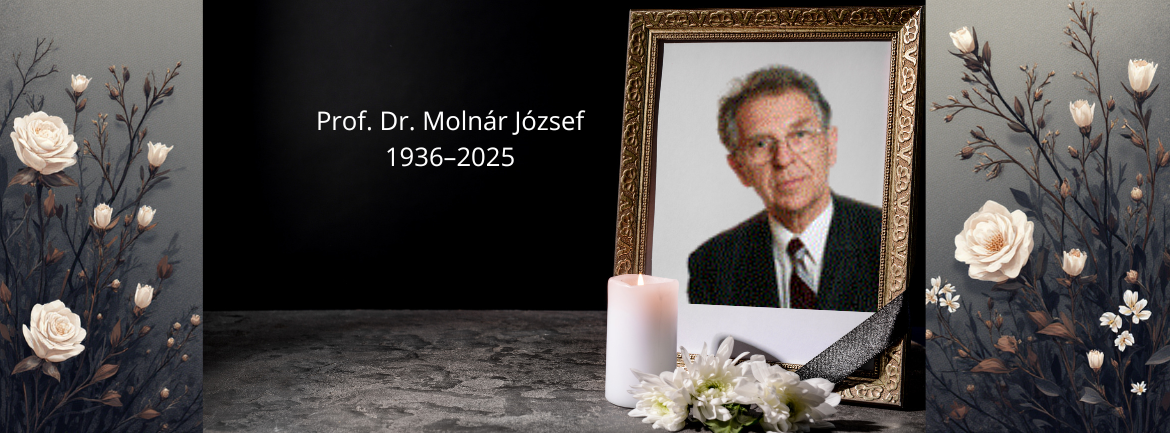
It is with shock and sincere sorrow that we bid farewell to Professor Emeritus József Molnár, who passed away quietly at the age of 89.
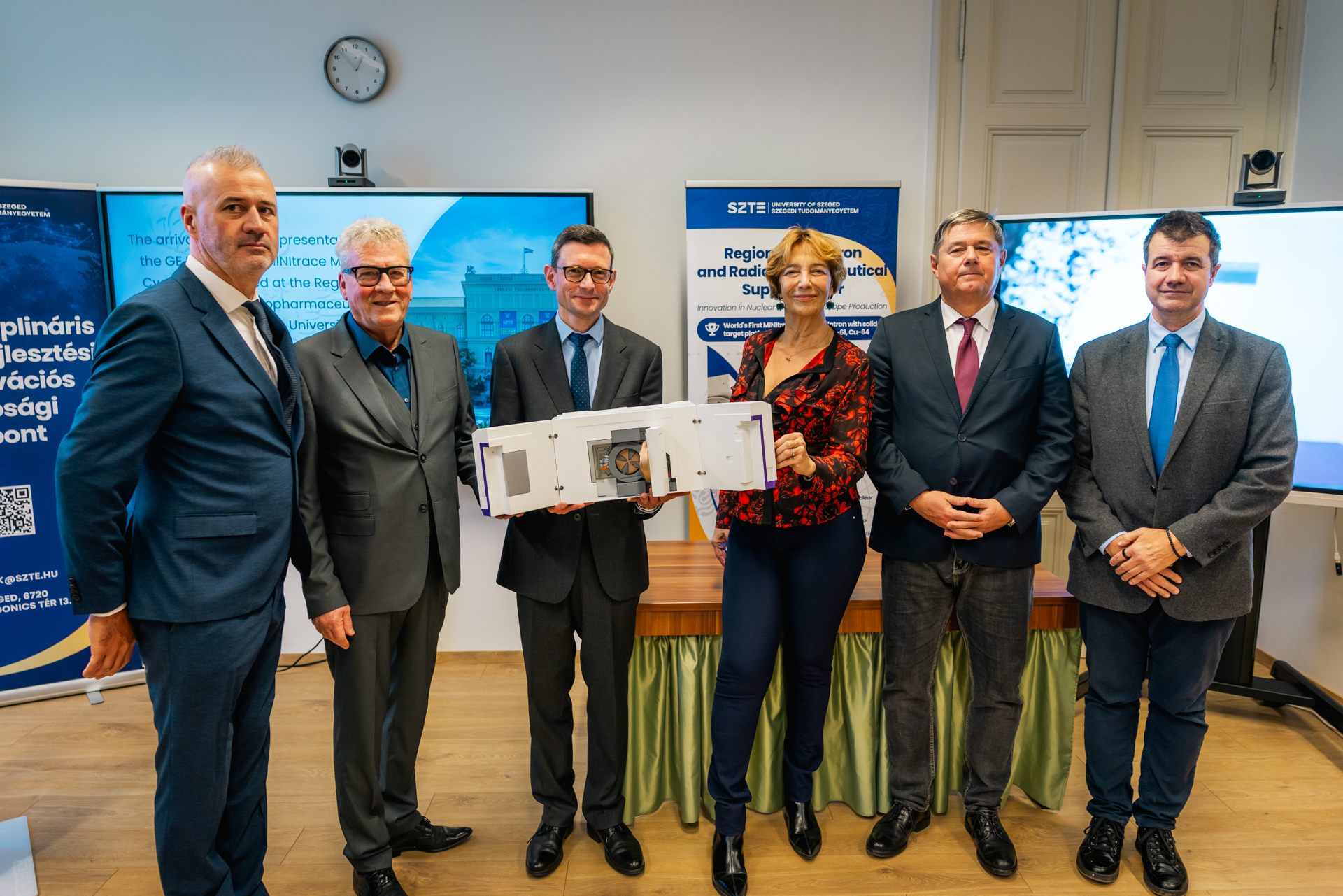
Following a cornerstone-laying ceremony for SZTE’S Regional Cyclotron and Radiopharmaceutical Supply Center in April, another major milestone has been reached in one of the University of Szeged’s flagship strategic investments. On December 9, GE HealthCare announced that – for the first time worldwide – the MINItrace Magni cyclotron will be installed at the University of Szeged, marking a major advance for nuclear medicine and theranostic treatment in Hungary. At a special event held at the University’s main building, the significance and future impact of the pioneering device were outlined by Prof. Dr. László Rovó, Rector of the University of Szeged; Dr. Judit Fendler, Chancellor; Prof. Dr. László Pávics, Professor at the Institute of Nuclear Medicine and project leader; Dr. György Erőss, Regional Customer Relations Manager for Central and Eastern Europe at GE HealthCare Hungary Kft.; and Jan Wolber, Global Product Leader for GE HealthCare Digital.
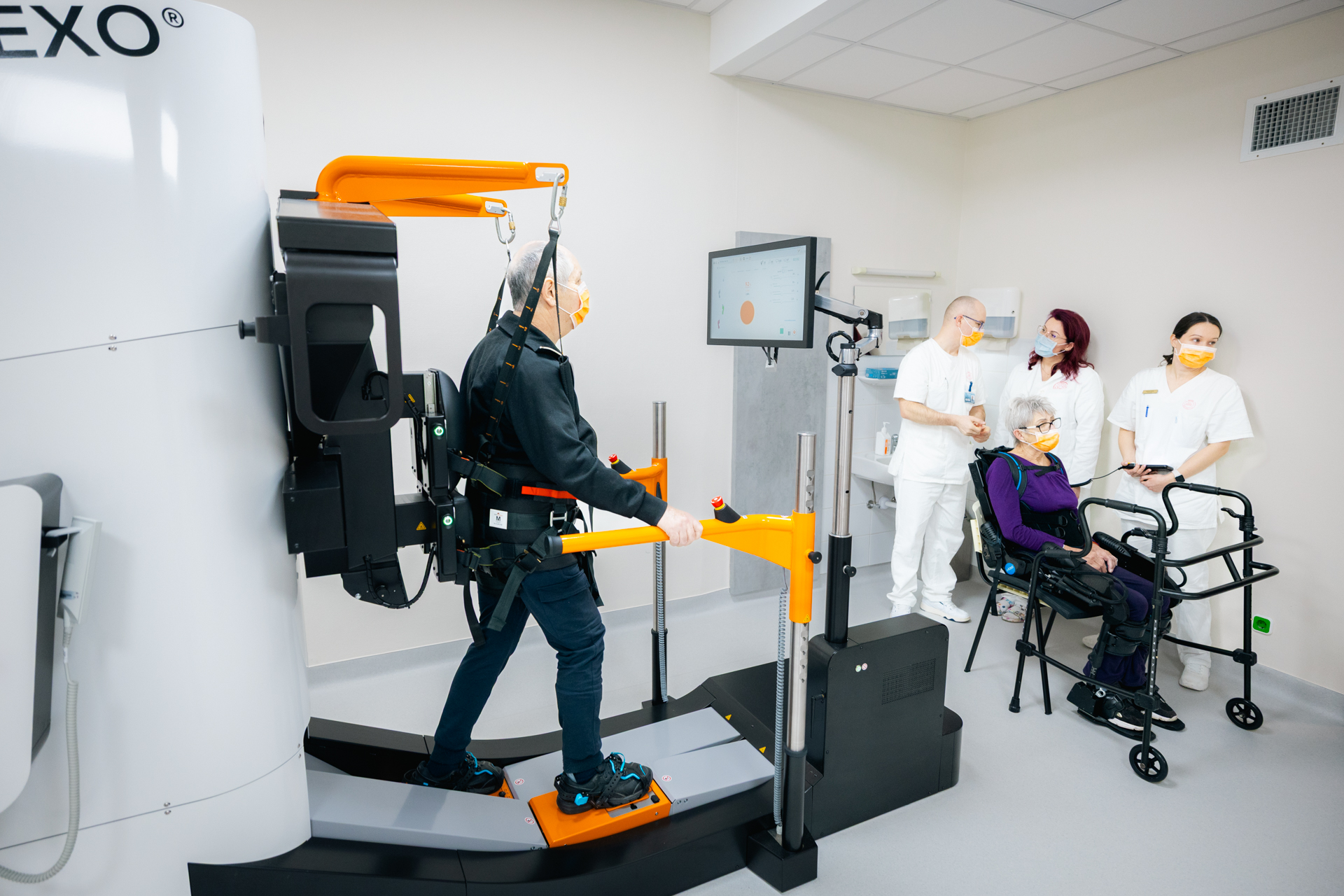
The University of Szeged has inaugurated its Human Kinesiology Laboratory, where cutting-edge robotic technologies are being deployed to enhance the effectiveness of rehabilitation therapies and actively support patients throughout their recovery process.
Useful links
Faculty of MedicineFaculty of Dentistry
Faculty of Pharmacy
Faculty of Health Sciences and Social Studies
International Student Union of Szeged
SUMAA
University Library
Ministry of Foreign Affairs
Office of Immigration and Nationality
College International
International Mobility Centre (ERASMUS)


