
University of Szeged
Albert Szent-Györgyi Medical School
Foreign Students' Secretariat
Your Education. Our Mission.


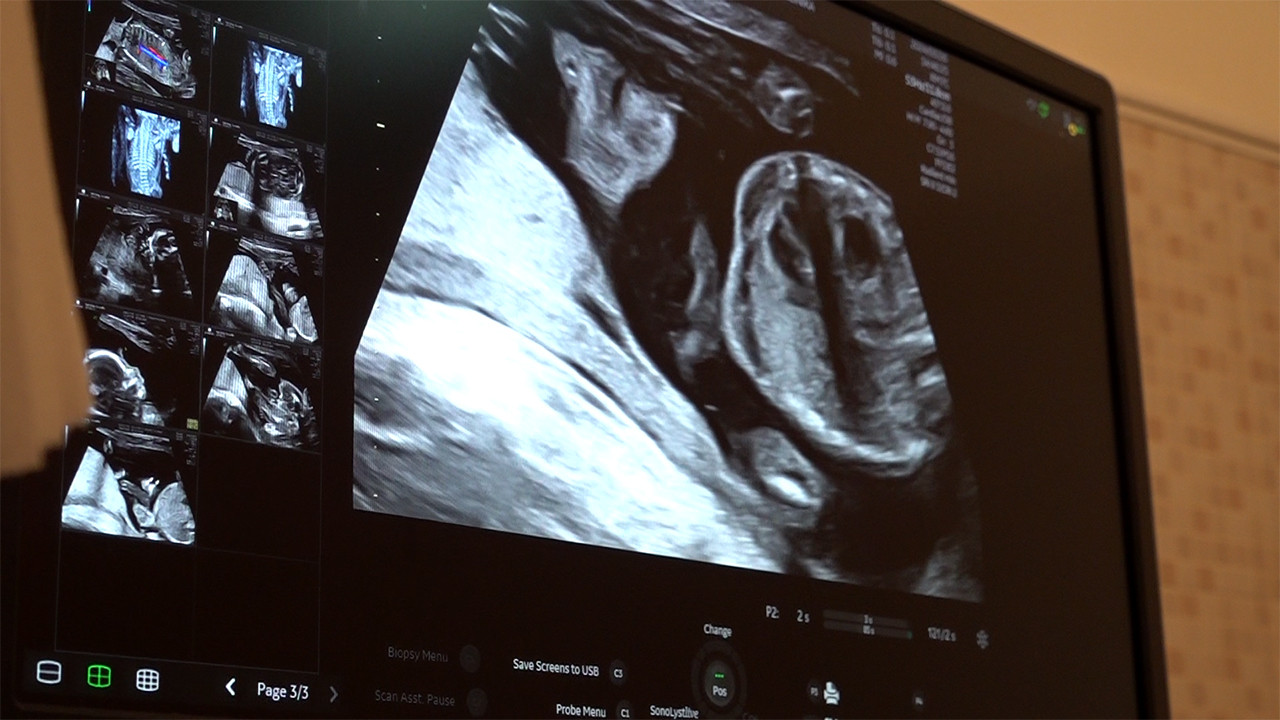
State-of-the-art foetal screening centre at the University of Szeged
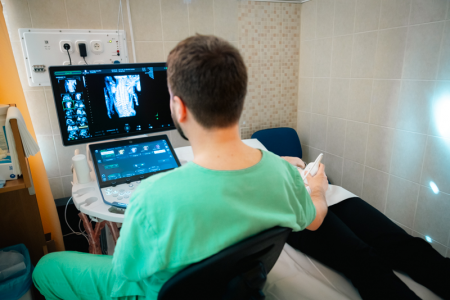
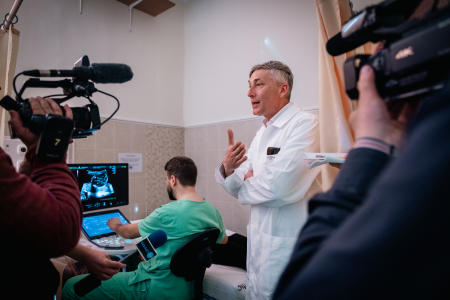
A unique national centre for screening the cardiovascular, neurological and genetic abnormalities of foetuses has been established at the Department of Obstetrics and Gynaecology, University of Szeged.
The new foeto-maternal centre (FMC) will greatly advance obstetric and gynaecological care, bringing about major improvements in the quality of prenatal care.
Foeto-maternal medicine, a novel specialty of only a few decades old, focuses on the diagnosis and management of complicated pregnancies in addition to screening. The field is developing in parallel with ultrasound technology and molecular genetics. The high-power ultrasound equipment required for such screenings first appeared in private care in Hungary in the last two decades. These private providers were pioneers in screening for Down syndrome and cardiovascular conditions in early pregnancy, performing early pregnancy extended ultrasound assessment, non-invasive foetal genetic testing, preterm birth screening, as well as screening for gestational pre-eclampsia.
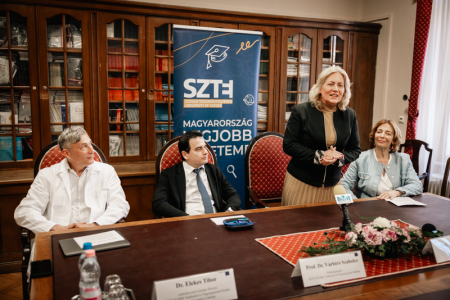
Latest news

It is with shock and sincere sorrow that we bid farewell to Professor Emeritus József Molnár, who passed away quietly at the age of 89.
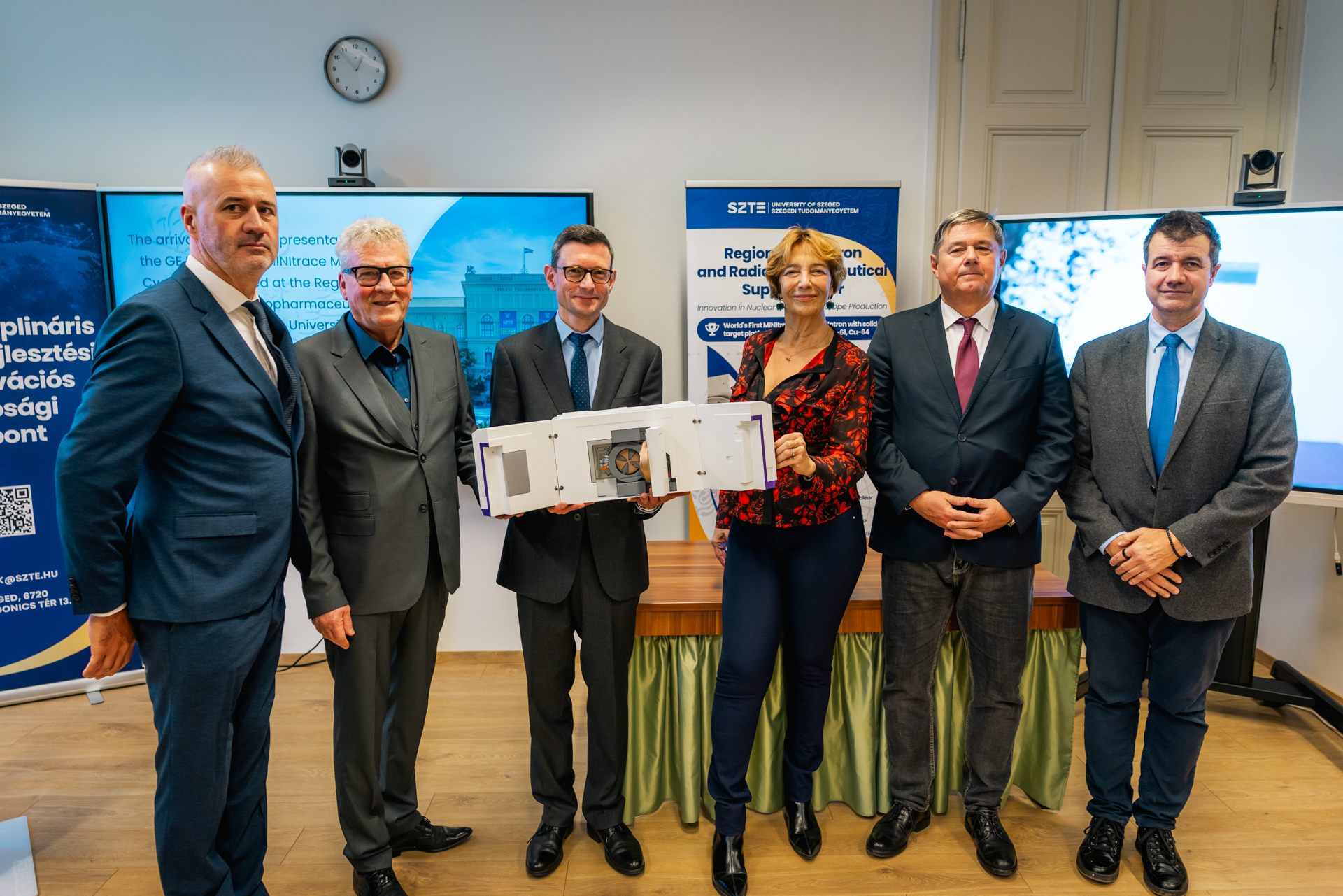
Following a cornerstone-laying ceremony for SZTE’S Regional Cyclotron and Radiopharmaceutical Supply Center in April, another major milestone has been reached in one of the University of Szeged’s flagship strategic investments. On December 9, GE HealthCare announced that – for the first time worldwide – the MINItrace Magni cyclotron will be installed at the University of Szeged, marking a major advance for nuclear medicine and theranostic treatment in Hungary. At a special event held at the University’s main building, the significance and future impact of the pioneering device were outlined by Prof. Dr. László Rovó, Rector of the University of Szeged; Dr. Judit Fendler, Chancellor; Prof. Dr. László Pávics, Professor at the Institute of Nuclear Medicine and project leader; Dr. György Erőss, Regional Customer Relations Manager for Central and Eastern Europe at GE HealthCare Hungary Kft.; and Jan Wolber, Global Product Leader for GE HealthCare Digital.
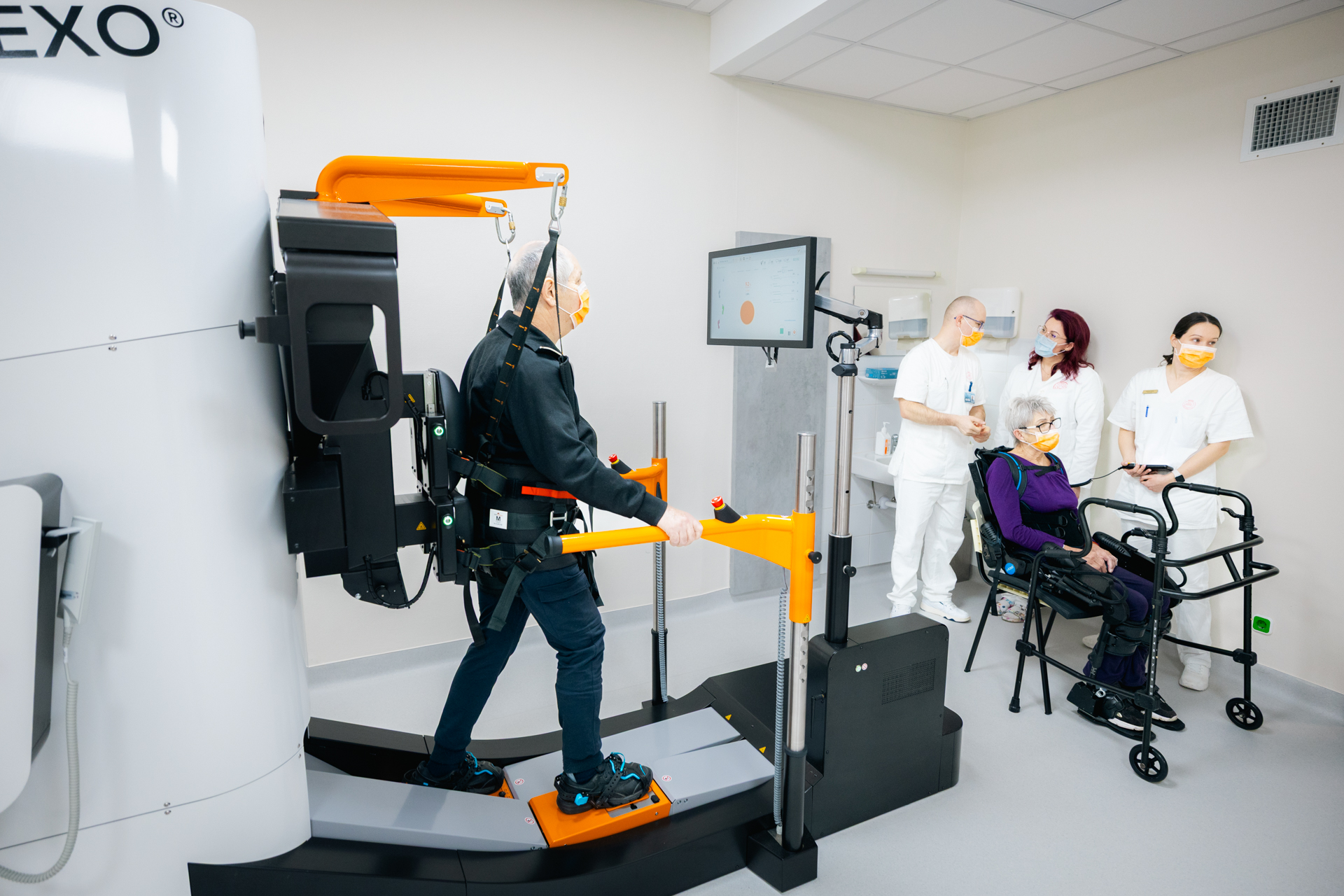
The University of Szeged has inaugurated its Human Kinesiology Laboratory, where cutting-edge robotic technologies are being deployed to enhance the effectiveness of rehabilitation therapies and actively support patients throughout their recovery process.
Useful links
Faculty of MedicineFaculty of Dentistry
Faculty of Pharmacy
Faculty of Health Sciences and Social Studies
International Student Union of Szeged
SUMAA
University Library
Ministry of Foreign Affairs
Office of Immigration and Nationality
College International
International Mobility Centre (ERASMUS)


